
The Major Difference Between Trade Shows And Trade Fairs
Trade shows and trade fairs are often used interchangeably, but they serve distinct purposes in the business world. Understanding these differences can help companies decide which event aligns best with their marketing, networking, and sales objectives. While both platforms bring businesses and buyers together, their scale, focus, and audience engagement vary significantly.
In Malaysia, the events industry has rebounded strongly post-pandemic, with trade exhibitions contributing significantly to economic activity. According to the Malaysia Convention & Exhibition Bureau (MyCEB), the business events sector generated approximately RM11.6 billion in economic impact in 2023, with trade fairs and exhibitions playing a key role. With such growth, businesses must strategically choose between trade shows and trade fairs to maximize their return on investment.
Defining Trade Shows and Trade Fairs
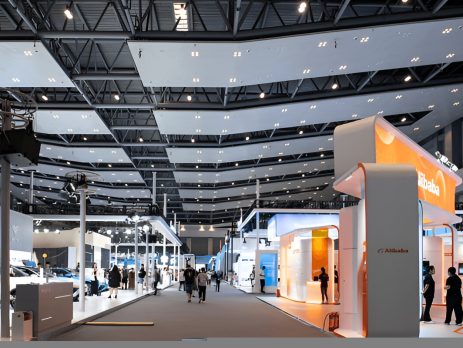
A trade show is typically an industry-specific event where businesses showcase their latest products, services, and innovations to a targeted audience. These events are often held in convention centers or large exhibition halls and attract professionals, buyers, and media representatives looking for industry-specific solutions. Trade shows are highly focused, with exhibitors aiming to generate leads, secure partnerships, or even close deals on the spot.
On the other hand, a trade fair is usually a broader event that caters to both industry professionals and the general public. These fairs often feature multiple industries under one roof, creating a more diverse and expansive marketplace. Trade fairs are common in retail, consumer goods, and lifestyle sectors, where businesses aim to increase brand visibility and engage directly with end consumers.
Key Differences in Purpose and Audience
The primary distinction between trade shows and trade fairs lies in their intended audience and purpose. Trade shows are B2B (business-to-business) focused, meaning they facilitate networking among manufacturers, suppliers, distributors, and industry experts. For example, the Malaysia International Trade and Exhibition Centre (MITEC) frequently hosts specialized trade shows like Industrial Transformation ASIA-PACIFIC (ITAP), which targets automation and smart manufacturing professionals.
Trade fairs, however, lean more toward B2C (business-to-consumer) engagement, though some may include B2B elements. Events like the Malaysia International Furniture Fair (MIFF) attract both retailers and individual buyers, making them ideal for brands looking to boost direct sales. A 2023 report by Statista noted that consumer-focused trade fairs in Malaysia saw a 28% increase in footfall compared to 2022, indicating strong public interest in these events.
Malaysia’s Trade Event Landscape
Malaysia hosts a diverse array of trade shows and trade fairs, reflecting its dynamic economy and strategic position in Southeast Asia.
In 2024, Malaysia’s total trade increased by 9.2% year-on-year, reaching a record RM2.879 trillion. Exports exceeded RM1 trillion for the fourth consecutive year, indicating robust international demand for Malaysian products .
Events like the Langkawi International Maritime and Aerospace Exhibition (LIMA) further underscore Malaysia’s prominence in hosting significant trade shows. LIMA 2023 attracted over 323,000 visitors, featuring 600 exhibitors from 20 countries, and showcased advancements in defense and commercial aerospace sectors .
On the trade fair front, the Kuala Lumpur International Book Fair 2023 drew more than 1.3 million visitors, highlighting the public’s enthusiasm for cultural and educational events .
Exhibition Scale and Duration
Trade shows are usually shorter in duration, often spanning two to three days, and are packed with seminars, product demonstrations, and networking sessions. The focus is on quality interactions rather than prolonged exhibitions. In contrast, trade fairs can run for a week or longer, accommodating a larger and more varied crowd.
For instance, the KL International Book Fair runs for over ten days, allowing publishers to engage with schools, libraries, and individual book lovers. The extended duration of trade fairs gives exhibitors more time to interact with different audience segments, whereas trade shows prioritize efficiency and high-impact engagements.
Marketing and Lead Generation Strategies
At trade shows, businesses emphasize relationship-building and lead qualification. The goal is to connect with decision-makers who can drive bulk orders or long-term partnerships. Many exhibitors use interactive displays, live demos, and private meeting rooms to foster deeper discussions.
Trade fairs, however, focus on brand awareness and immediate sales. Companies often offer promotions, discounts, or exclusive launches to attract walk-in customers. According to a 2023 survey by the Malaysia Retailers Association, 65% of exhibitors at consumer trade fairs reported a direct increase in sales during or immediately after the event.
Choosing the Right Platform for Your Business
Selecting between a trade show and a trade fair depends on a company’s objectives. B2B enterprises, especially in tech, manufacturing, or professional services, benefit more from trade shows where they can engage with industry leaders and potential partners. Meanwhile, consumer brands, FMCG companies, and retail businesses gain more from trade fairs, where they can interact with a mass audience.
For businesses in Malaysia looking to amplify their presence at such events, partnering with an expert marketing agency can make a significant difference. GogoAds specializes in exhibition marketing, digital advertising, and lead generation, helping brands maximize their impact at trade shows and trade fairs. With tailored strategies, businesses can ensure they stand out in a competitive marketplace.





Leave a Reply